Solomon, one of the wisest men that ever lived, wrote: “What has been is what will be, and what has been done is what will be done, and there is nothing new under the sun.” 1 Even as technology advances, the same kinds of events tend to repeat. In the past, people used herbs, and knowledge of how to use them was passed down through generations. At some point, many cultures, including the American industrial culture, lost their herbal knowledge.
Despite the broad cultural loss of herbal knowledge, rural areas maintained a knowledge and use of herbal remedies, thus preserving a living knowledge of herbal remedies. As history does, it repeats itself, and there has been a resurgence of interest and use of herbal remedies, and for good reason.
Early Herbal Traditions:
“The first written record of medicinal plants was created on clay tablets over 5,000 years ago by the Sumerians, in ancient Mesopotamia, which described a dozen herbal recipes calling for the use of over 250 plants (Petrovska, 2012). Around 1500 BCE, the Ancient Egyptians wrote the Ebers Papyrus, which listed over 850 herbal medicines. This wasn’t the first written document on herbalism and medical practice from the early Egyptians, but it survived intact and contains many different recipes and formulations, including many herbs that we recognize and use today, such as cumin, coriander, garlic, willow, frankincense, cedar, aloe, and henna (Abou El-Soud, 2010).” 2
“The Mesopotamians also demonstrated a remarkable degree of botanical knowledge and experimentation. Over 250 plant substances are identified in surviving texts, including opium poppy, myrrh, mandrake, henbane, and various resins and barks. These materials were imported from distant regions as part of a larger trade in exotic medicinal goods, underscoring the cosmopolitan nature of Mesopotamian medicine. Moreover, their use suggests a detailed awareness of plant morphology and efficacy. For example, licorice was used to soothe coughs and treat inflammation—uses consistent with its pharmacological properties confirmed by modern science. Such examples reveal that Mesopotamian herbalism was not merely mystical, but often based on keen empirical observation.” 3
This knowledge and sophisticated use of herbs didn’t just take place in Mesopotamia, but in India, China, and later in the Americas. Often, the knowledge of herbs and use of herbs was practiced alongside spiritual rituals; the belief behind those rituals could vary widely depending on the region and time period.
Brewnimate shares: “Herbal medicine in the ancient world was far more than a primitive forerunner to modern pharmacology—it was a rich, dynamic tradition informed by observation, spirituality, trial and error, and cultural exchange. Ancient healers laid the groundwork for systematic approaches to health and disease, many of which resonate in contemporary alternative and complementary medicine. As we continue to explore ancient texts and reevaluate natural remedies, the wisdom of past civilizations may yet offer valuable contributions to future healthcare.” 4
Modern Medicine:
“Most pharmaceuticals deliver a fully formed compound directly into the body. This could be a hormone, a neurotransmitter mimic, or a molecule designed to block or stimulate a specific pathway.
The body doesn’t have to build anything. It doesn’t have to convert nutrients or regulate the pathway naturally. Instead, it receives the final product from the outside – and adjusts accordingly for efficiency.
At first, this can feel like an effective shortcut. Blood pressure drops, serotonin levels rise, or inflammation falls without the body having to initiate these changes itself. But over time, the body adapts, and not always in a way that is in the best interest for long-term health. Natural feedback loops start to weaken. When the system senses it no longer needs to produce or regulate that chemical internally, it downregulates its own production.
This is why when someone stops a pharmaceutical (especially hormones, SSRIs, sleep medications, or corticosteroids) the body often struggles to pick up where it left off. It has lost efficiency or even capacity in that system. Rebuilding takes time, nutrition, and often, some uncomfortable symptoms as the body tries to remember how to self-regulate again.” 5
“Today, statistics show that about two-thirds of people in the United States alone are taking at least one synthetic, chemically based medication, and over half are taking an average of four synthetic, chemically based medications (Georgetown University, Health Policy Institute). Worldwide, Big Pharma has about 1.2 trillion dollars in sales!” 6
While modern medicine has its place and can be supportive at times, it isn’t without aftereffects and long-term symptoms. So thoughtful consideration should be given when adding a pharmaceutical to your routine care.
A Holistic approach:
As humans we have been created with many facets, a mind, heart, emotions, etc. Modern medicine often leaves the ‘whole being’ aspect out of the healing equation and treats the symptoms. The historical approach often overspiritualized sickness, believing that a curse or demon was the reason for an illness.
A holistic approach looks at the whole person, asking questions to identify the root cause: What habits contributed to the illness? Is rest being neglected? Is an organ being unnecessarily overburdened? How can overall wellness be supported?
An herbal approach will often align with a holistic approach due to how it works in a holistic manner. “Herbs support the body’s ability to make and regulate these compounds on its own. They often act by: Supplying bioavailable nutrients the body needs for biochemical processes (like magnesium, potassium, flavonoids, or alkaloids) – think the building blocks to create the end goal molecules.
Modulating receptor activity (encouraging sensitivity without overriding the system.
Stimulating organ function (like liver or adrenal support).
Balancing inflammatory pathways instead of suppressing them outright.
Gently nudging endocrine and nervous system tone rather than forcing an artificial state.
Because the body is still doing the core work of converting nutrients, making hormones, and regulating neurotransmitters, it remains active and functional throughout the healing process. There’s no sudden cliff when you stop using an herb. Instead, if you discontinue, you’re left with a body that is more nourished, more regulated, and better at handling its own internal balance.” 7
Our Approach:
At Dandelion Naturals, we remember that herbal remedies and holistic approach aren’t things of the past, they still offer benefits for us today!
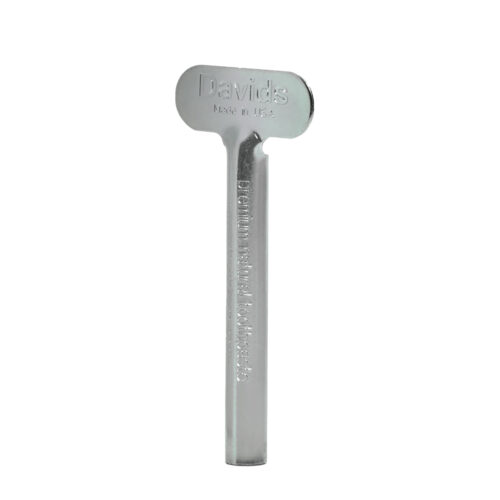
Herbs aren’t the only holistic approach; other examples include clay, salt, honey, milk, diet, and lifestyle. At Dandelion Naturals, we offer products that support the body in a holistic way. We have curated kitchen products that are created with bamboo which is sustainable, plastic free, and beautiful! You can find our wide range of kitchen products we carry at: https://dandelionnaturals.com/product-category/kitchen/
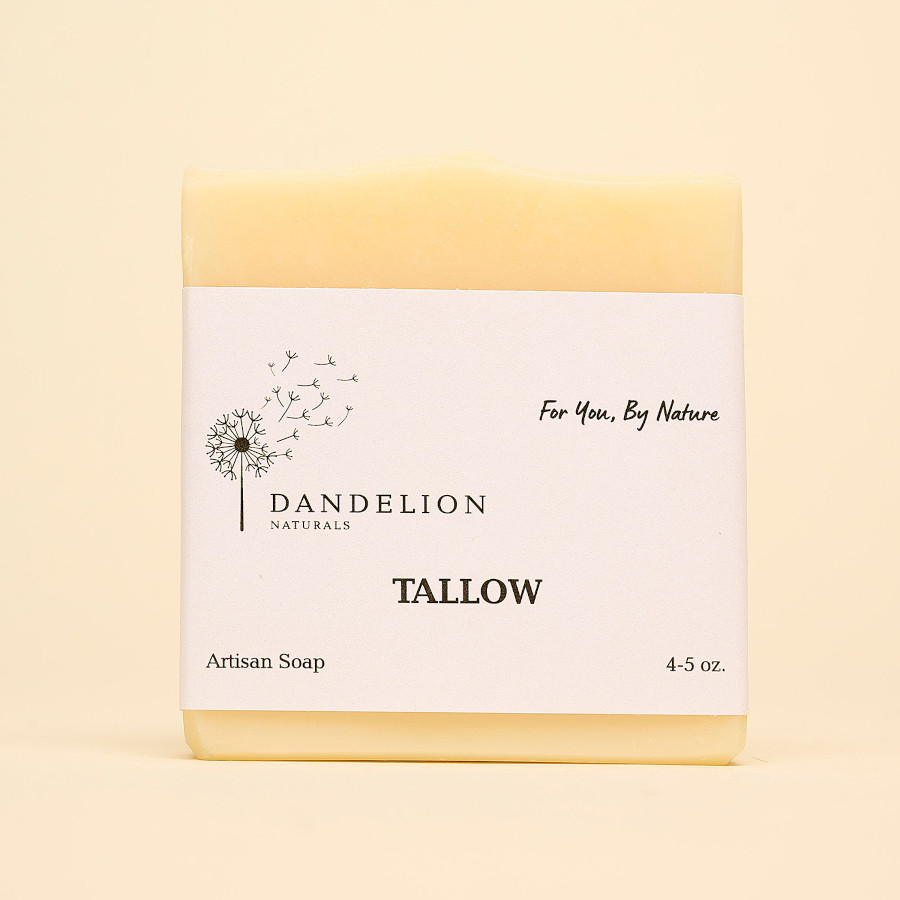
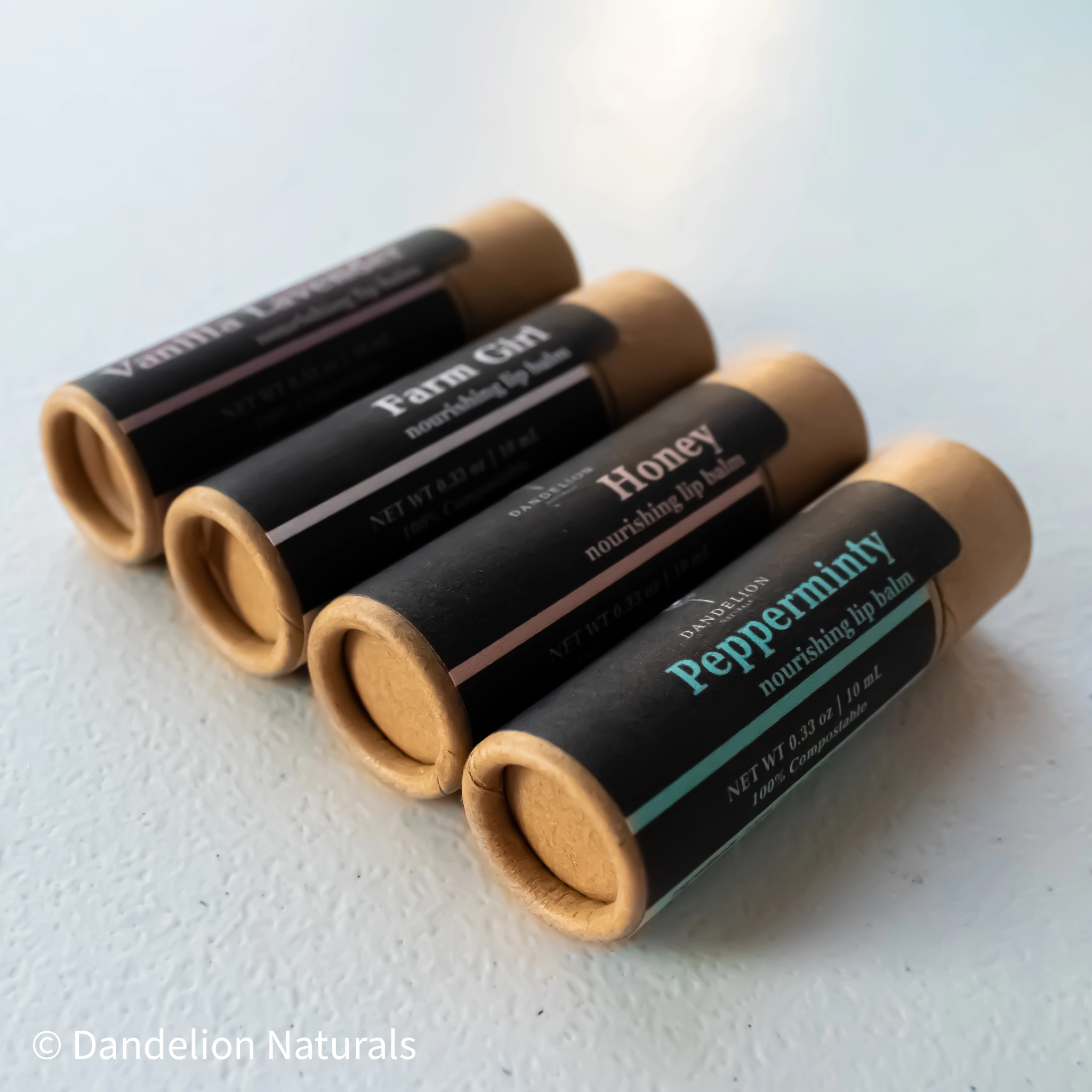
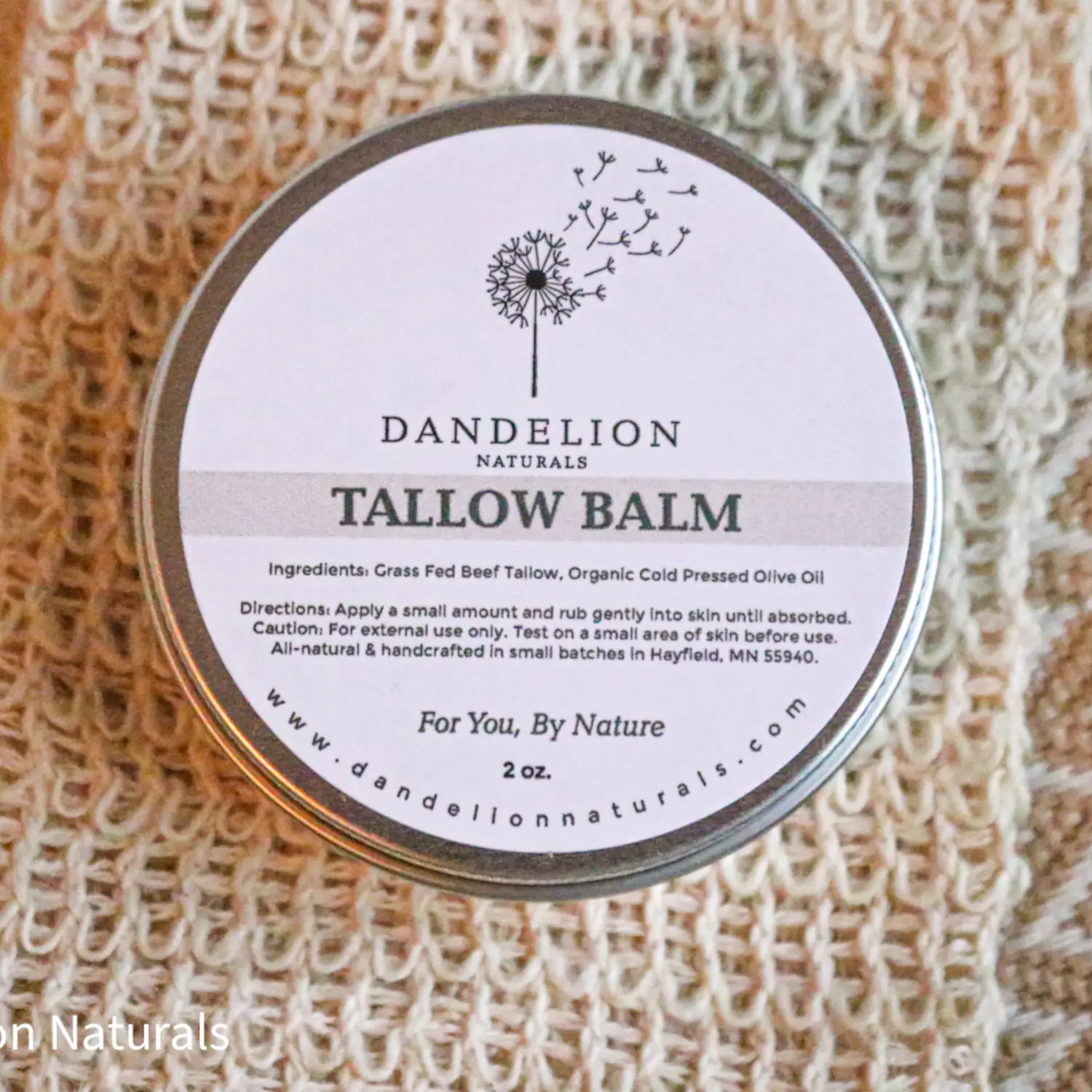
Our founder, Michelle, has created amazing skincare products ranging from bar soaps to lotion bars. Each of these products is made with essential oils for scents, and no unnecessary ingredients, letting the products be ‘for you, by nature’. You can find our lotion bars at: https://dandelionnaturals.com/product-category/lotion-bars/ and our soap bars at: https://dandelionnaturals.com/product-category/soap-bars/
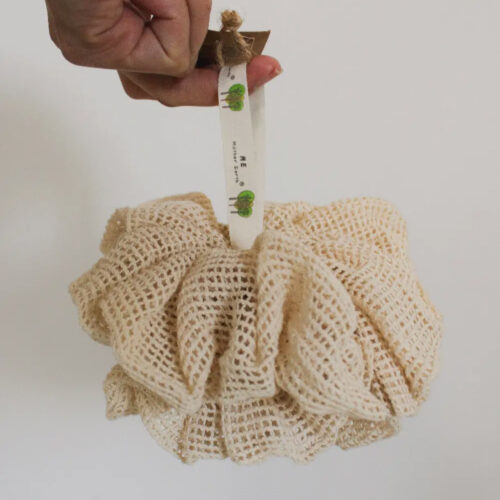
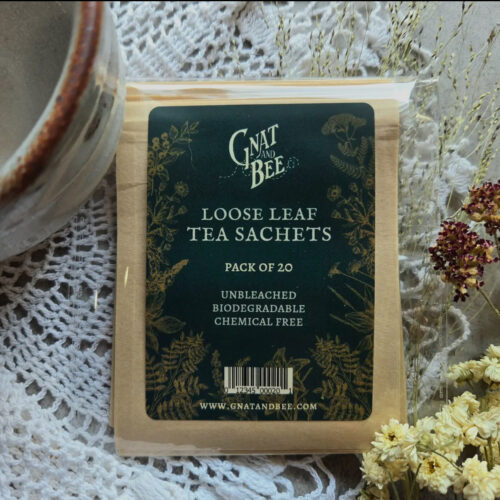
We also offer a wide array of products in our store in Hayfield, MN. At the Dande, as we affectionately call our brick and mortar store, you can find herbal remedies, clay based masks, natural bath salts, sustainably made bags, herbal teas, natural fiber products, and so much more! Come visit our store at: 108 Main St. Hayfield, MN to see the wide variety we have in stock.
Resources:
The ESV Study Bible: English Standard Version. Crossway Bibles, 2008. Ecclesiastes 1:9 1
https://theherbalacademy.com/herbal-history/ 2
https://brewminate.com/roots-of-healing-the-enduring-legacy-of-herbal-medicine-through-the-ages/ 3, 4
https://mossherbalism.com/how-herbs-work-differently-than-pharmaceuticals/ 5,7
https://worldherblibrary.org/history-of-herbalism/ 6